Boundary Verification Services Explained: What You Need
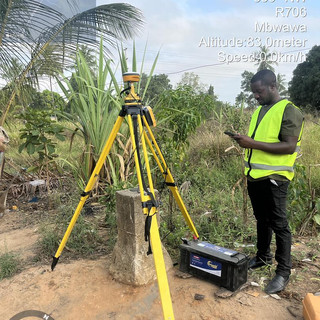
Boundary verification is a crucial aspect of property ownership and development. Whether you are a homeowner, a real estate investor, or a developer, understanding the boundaries of your property can save you from legal disputes and financial losses. In this blog post, we will explore what boundary verification services entail, why they are important, and how you can benefit from them.

What Are Boundary Verification Services?
Boundary verification services involve the process of determining the exact boundaries of a property. This is typically done through a combination of surveying techniques, legal documentation, and historical data analysis. The primary goal is to provide a clear and accurate representation of property lines, which can be essential for various reasons, including:
Property Sales: Ensuring that the property being sold is accurately represented.
Development Projects: Confirming that construction plans comply with zoning laws and regulations.
Dispute Resolution: Helping resolve conflicts between neighboring property owners regarding boundary lines.
Why Are Boundary Verification Services Important?
Understanding the boundaries of your property is vital for several reasons:
Legal Protection
One of the most significant benefits of boundary verification is legal protection. Accurate boundary lines can prevent disputes with neighbors and protect your property rights. In many cases, property disputes can lead to costly legal battles. By having a clear understanding of your property boundaries, you can avoid these conflicts altogether.
Financial Security
Investing in boundary verification services can save you money in the long run. For example, if you build a fence or structure that encroaches on a neighbor's property, you may be required to remove it, which can be expensive. Additionally, knowing your boundaries can help you avoid potential fines or penalties from local authorities.
Peace of Mind
Having a professional verify your property boundaries provides peace of mind. You can rest assured that you are aware of your rights and responsibilities as a property owner. This knowledge can be particularly beneficial when planning future projects or making significant investments in your property.
How Do Boundary Verification Services Work?
Boundary verification services typically involve several steps:
Initial Consultation
The process usually begins with an initial consultation. During this meeting, the surveyor will discuss your needs and objectives. They may ask questions about your property, any existing documentation, and any concerns you may have regarding boundaries.
Site Survey
Next, the surveyor will conduct a site survey. This involves physically measuring the property and identifying existing markers or features that indicate boundary lines. The surveyor may use various tools, including GPS technology, total stations, and traditional measuring equipment.
Research and Analysis
After the site survey, the surveyor will conduct research to gather relevant legal documents, such as property deeds, title reports, and historical surveys. This information will help them confirm the boundaries and identify any potential issues.
Report Generation
Once the survey is complete, the surveyor will generate a detailed report outlining the findings. This report will typically include a map of the property, a description of the boundaries, and any recommendations for resolving disputes or addressing issues.
Types of Boundary Verification Services
There are several types of boundary verification services available, depending on your needs:
Residential Boundary Surveys
Residential boundary surveys are designed for homeowners who want to confirm their property lines. These surveys are often required when building fences, adding structures, or resolving disputes with neighbors.
Commercial Boundary Surveys
Commercial boundary surveys are more complex and are typically required for larger properties or development projects. These surveys may involve additional considerations, such as zoning regulations and easements.
ALTA/NSPS Land Title Surveys
ALTA/NSPS surveys are comprehensive surveys that meet the standards set by the American Land Title Association and the National Society of Professional Surveyors. These surveys are often required for commercial real estate transactions and provide detailed information about property boundaries, easements, and encroachments.
Topographic Surveys
Topographic surveys focus on the physical features of a property, including elevation changes, natural features, and man-made structures. These surveys can be useful for development projects and land planning.
Choosing the Right Boundary Verification Service
When selecting a boundary verification service, consider the following factors:
Experience and Qualifications
Look for a surveyor with experience in boundary verification. Check their qualifications, certifications, and any relevant licenses. A reputable surveyor will have a strong track record and positive reviews from previous clients.
Technology and Tools
Inquire about the technology and tools the surveyor uses. Modern surveying equipment, such as GPS and 3D scanning, can provide more accurate results and faster turnaround times.
Customer Service
Choose a surveyor who prioritizes customer service. They should be responsive to your questions and concerns and willing to explain the process in detail.
Cost
While cost should not be the only factor in your decision, it is essential to understand the pricing structure. Request quotes from multiple surveyors and compare their services to find the best value for your needs.
Common Misconceptions About Boundary Verification
There are several misconceptions surrounding boundary verification services that can lead to confusion:
Boundary Surveys Are Only for New Properties
Many people believe that boundary surveys are only necessary for new properties. However, even older properties can benefit from boundary verification, especially if there have been changes in ownership or land use.
Boundary Surveys Are Always Accurate
While professional surveyors strive for accuracy, boundary surveys can sometimes be subject to interpretation. Factors such as historical documents, natural changes in the landscape, and human error can affect the results. It is essential to work with a qualified surveyor who can provide the most accurate information possible.
You Can Rely on Your Neighbor's Survey
Some property owners assume that they can rely on their neighbor's survey to determine their boundaries. This can be risky, as different surveys may yield different results. It is always best to have your own survey conducted to ensure accuracy.
Real-Life Examples of Boundary Verification
To illustrate the importance of boundary verification services, consider the following examples:
Case Study 1: The Fence Dispute
A homeowner decided to build a fence along what they believed to be their property line. After completing the fence, their neighbor claimed that the fence encroached on their property. The homeowner had to hire a surveyor to verify the boundaries, which revealed that the fence was indeed on the neighbor's land. This situation resulted in costly legal fees and the need to remove the fence.
Case Study 2: Development Project
A developer purchased a large parcel of land for a new housing project. Before breaking ground, they hired a surveyor to conduct a boundary verification. The survey revealed that a portion of the land was subject to an easement, which would affect the development plans. By identifying this issue early, the developer was able to adjust their plans and avoid potential legal complications.
Conclusion
Boundary verification services are essential for anyone involved in property ownership or development. By understanding your property boundaries, you can protect your legal rights, ensure financial security, and gain peace of mind. Whether you are a homeowner, investor, or developer, investing in boundary verification can save you time, money, and stress in the long run.
If you are considering boundary verification services, take the time to research and choose a qualified surveyor who can meet your needs. With the right support, you can navigate the complexities of property boundaries with confidence.


Comments